
Does Fashion Week Really Matter for Independent Designers in 2026? Here's the Truth
- Feb 17
- 5 min read
Let's be real for a second.
If you're an independent fashion designer in 2026, you've probably asked yourself this question at least a dozen times: Is Fashion Week even worth it anymore?
You see the big names dominating headlines. You watch the massive productions. And somewhere in the back of your mind, you wonder if that runway slot is the golden ticket to making it, or just a very expensive Instagram moment.
Here's the truth nobody wants to tell you: Fashion Week is no longer essential. But that doesn't mean it's irrelevant.
The game has changed. And if you're an independent designer trying to figure out where to invest your time, money, and energy, you deserve a straight answer. So let's break it down.
The Old Rules Are Dead
For decades, the path was clear. You graduate from fashion school, you hustle, you get a spot at Fashion Week, and boom, you've arrived. Buyers see you. Press writes about you. Your career takes off.
That was the playbook. And for a long time, it worked.
But 2026 looks nothing like 2010. The industry has fractured in the best way possible. Social media gave independent designers direct access to audiences. E-commerce removed the middleman. And consumers? They started caring more about authenticity and connection than which week you showed during.
The runway went from being the only door to being one of many doors.

So What's the Real ROI of a Runway Show?
Let's talk numbers and reality, because that's what matters when you're running a business on a tight budget.
A runway show at Fashion Week can cost anywhere from $10,000 to $200,000+ depending on the city, venue, production value, and scale. For most independent designers, we're talking about a significant chunk of your annual budget going into one single event.
What do you get in return?
Potential visibility. If your show stands out, you might get press coverage. If it doesn't, you're one of dozens of shows that week competing for attention.
Buyer meetings. Fashion Week does concentrate buyers in one place. But here's the catch, most major buyers have their appointments locked in before the week even starts. Breaking through as an unknown is tough.
Content. You'll walk away with photos and videos. That's valuable for marketing. But you can create compelling content without a runway.
The "legitimacy" factor. There's still a perception that showing at Fashion Week means you've "made it." This can help with partnerships, stockists, and investor conversations.
Is that worth $50,000? Maybe. Maybe not. It depends entirely on your strategy.
Brand Visibility: The Runway vs. Everything Else
Here's where things get interesting.
Some designers have found that stepping away from traditional runway shows actually made their connection with customers stronger, not weaker. Designer Stefan Cooke, for example, paused his runway shows and shifted to intimate events and lookbooks. The result? Warmer connections with shoppers and fans.
Think about that for a second. Less spectacle. More connection. And it worked.
In 2026, your options for brand visibility are wider than ever:
Lookbooks and editorial shoots that tell your story on your terms
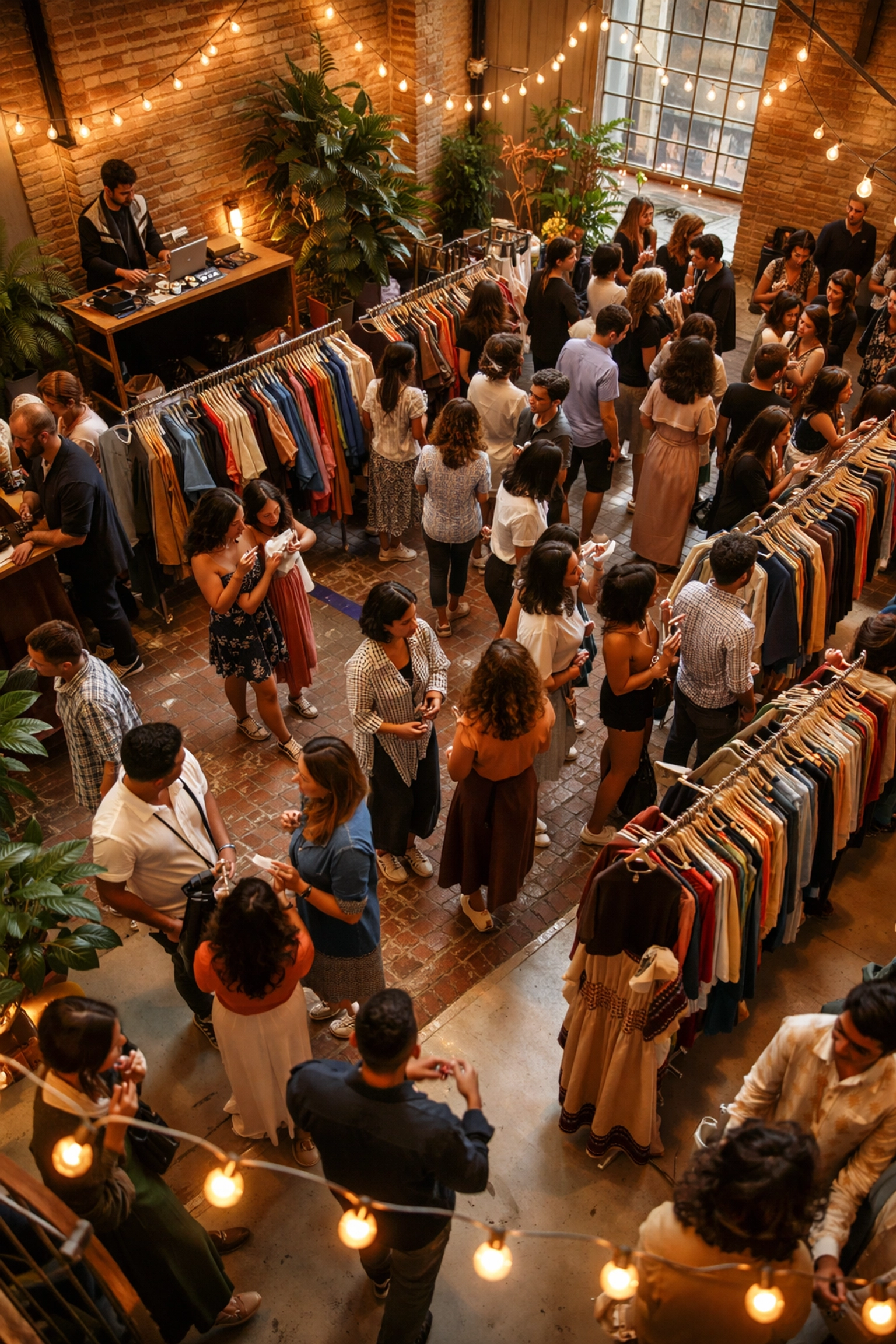
Pop-up events where customers can touch, feel, and experience your work
Social media campaigns that build community over time
Collaborations with other creators and brands
Direct-to-consumer drops that create urgency and excitement
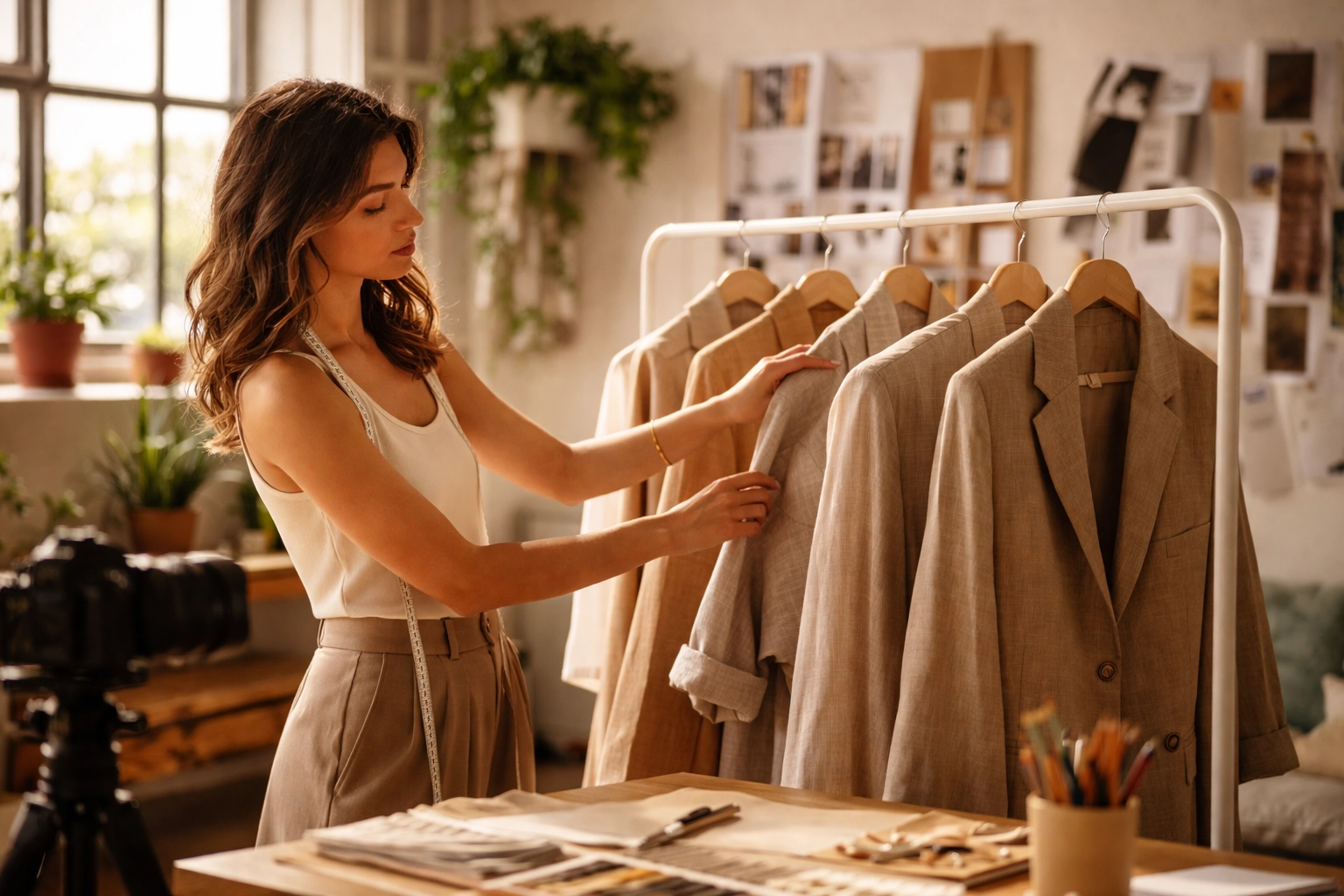
None of these require a runway. All of them can build a loyal audience.
The runway is loud. But loud isn't always what your brand needs. Sometimes, intentional and intimate wins.
Networking: Does the Runway Still Open Doors?
One argument for Fashion Week that still holds weight is networking. The industry converges during these weeks. Editors, buyers, stylists, photographers, influencers, they're all there.
But here's the honest truth: just being there doesn't guarantee access.
If you're showing, you'll be consumed by the chaos of your own production. You won't be casually mingling at parties. You'll be backstage dealing with last-minute emergencies.
If you're attending (not showing), you can actually network more effectively. You can go to events, schedule meetings, and make genuine connections without the stress of a show hanging over your head.
So yes, Fashion Week concentrates opportunity. But showing isn't the only way: or even the best way: to tap into it.
When Fashion Week Actually Makes Sense
Now, let's flip the script. Because there ARE times when a runway show is absolutely the right move.
When you have something to say. A runway show is a statement. It's theatrical. It's emotional. If your collection has a powerful message that can only be conveyed through that format, the runway becomes a tool for storytelling that nothing else can match.
London Fashion Week Spring/Summer 2026 proved this. Several women designers delivered shows that felt necessary: not just promotional, but meaningful. Those moments reminded the industry why the runway still has power.
When you're ready to scale. If you're at a point where you need to attract major wholesale accounts or investors, Fashion Week can signal that you're serious and ready for the next level.
When you have the budget. This sounds obvious, but it's important. If a runway show will drain your resources and leave you unable to fulfill orders or market your collection afterward, it's the wrong move. Period.
When it aligns with your brand identity. Some brands are built for spectacle. If that's you, lean into it.
The 2026 Independent Designer Playbook
Based on what's actually working right now, here's what successful independent designers are prioritizing:
1. Control
You want to control how your work is presented, how your story is told, and how your customers experience your brand. Runway shows hand over a lot of that control to the chaos of the event. Alternative formats: presentations, private viewings, digital experiences: let you stay in the driver's seat.
2. Cash Flow
Healthy businesses run on healthy cash flow. Dumping a massive portion of your budget into one event is risky. Spreading that investment across multiple touchpoints throughout the year often delivers better, more consistent results.
3. Community
The designers winning in 2026 aren't chasing scale for scale's sake. They're building tight-knit communities of loyal customers who believe in their vision. You can't build that from a runway. You build it through consistent engagement, authenticity, and showing up for your people.
The Bottom Line
Does Fashion Week matter for independent designers in 2026?
It can matter. But it's not the measuring stick for success it once was.
The runway is now a strategic choice, not a mandatory rite of passage. Some designers will use it brilliantly to amplify their message. Others will skip it entirely and build thriving brands through alternative paths.
What matters most is knowing your brand, your audience, and your goals. Then making decisions that actually serve those things: not decisions based on what the industry used to expect.
If you're an independent designer dreaming of Fashion Week, don't let anyone tell you it's pointless. But also don't let anyone tell you it's required.
The truth? You have more options than ever. And that's a beautiful thing.
At New York Latin Fashion Week, we believe in creating real opportunities for independent designers: especially those in the Latin fashion community who are ready to share their vision with the world. Whether the runway is your goal or just one part of your bigger strategy, we're here to help you make it happen on your terms.

Comments