
Latin American Fashion History: A Visual Timeline
- Jan 30
- 5 min read
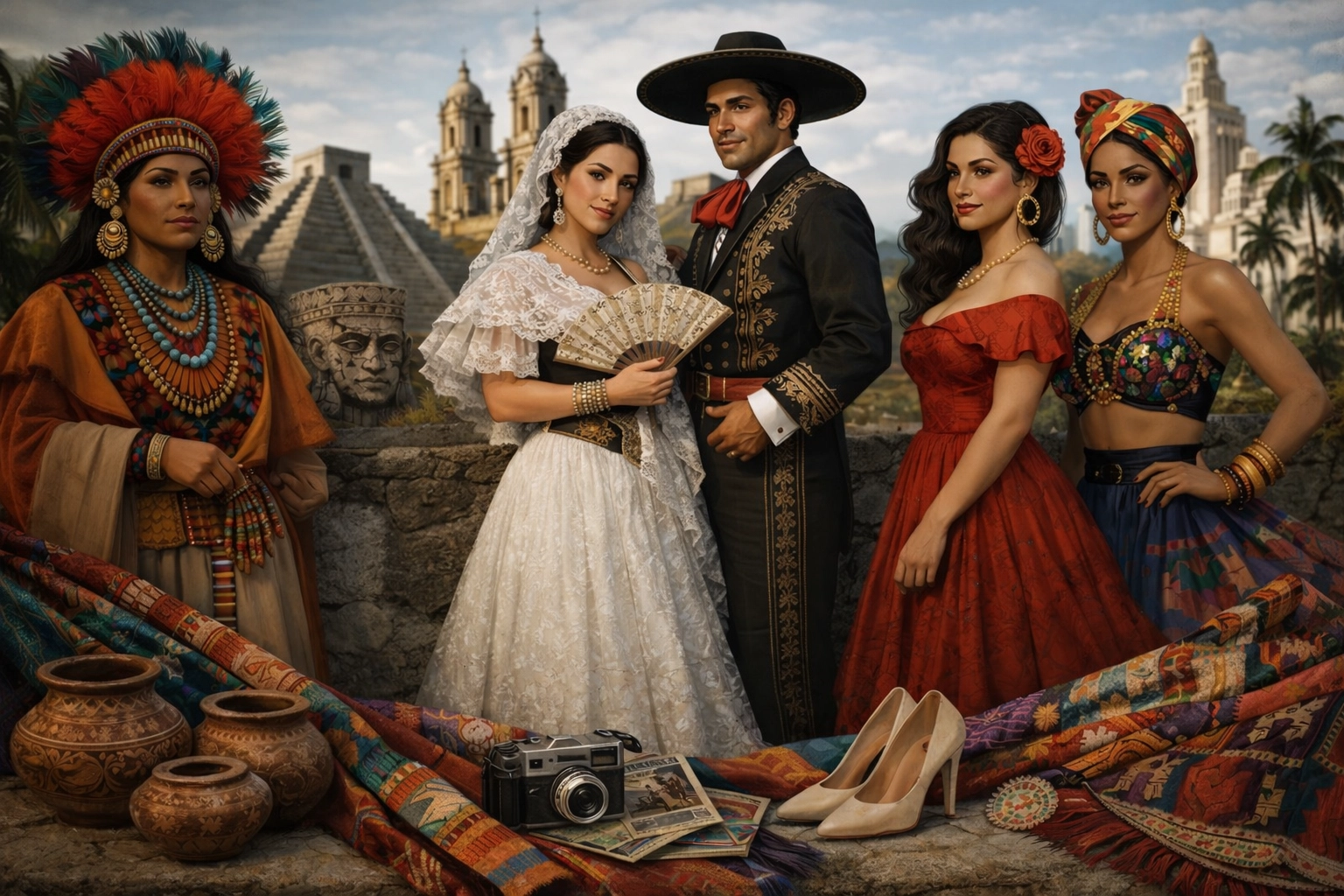
Latin American fashion is not just about clothes. It's about identity, resistance, innovation, and centuries of cultural evolution. From ancient civilizations crafting intricate textiles to today's designers leading global runways, this is a story that deserves to be told.
At New York Latin Fashion Week, we believe understanding where we come from helps us shape where we're going. So let's take a journey through time and explore how Latin American fashion became the global force it is today.
🪡 Pre-Colonial Era: Before 1492
Long before European ships reached these shores, Indigenous civilizations across Mesoamerica, the Andes, and the Caribbean had already developed sophisticated fashion traditions.
We're talking advanced weaving techniques, natural dyeing methods, intricate embroidery, stunning featherwork, and meaningful adornment. These weren't just garments, they told stories. They communicated identity, power, spirituality, and community belonging.
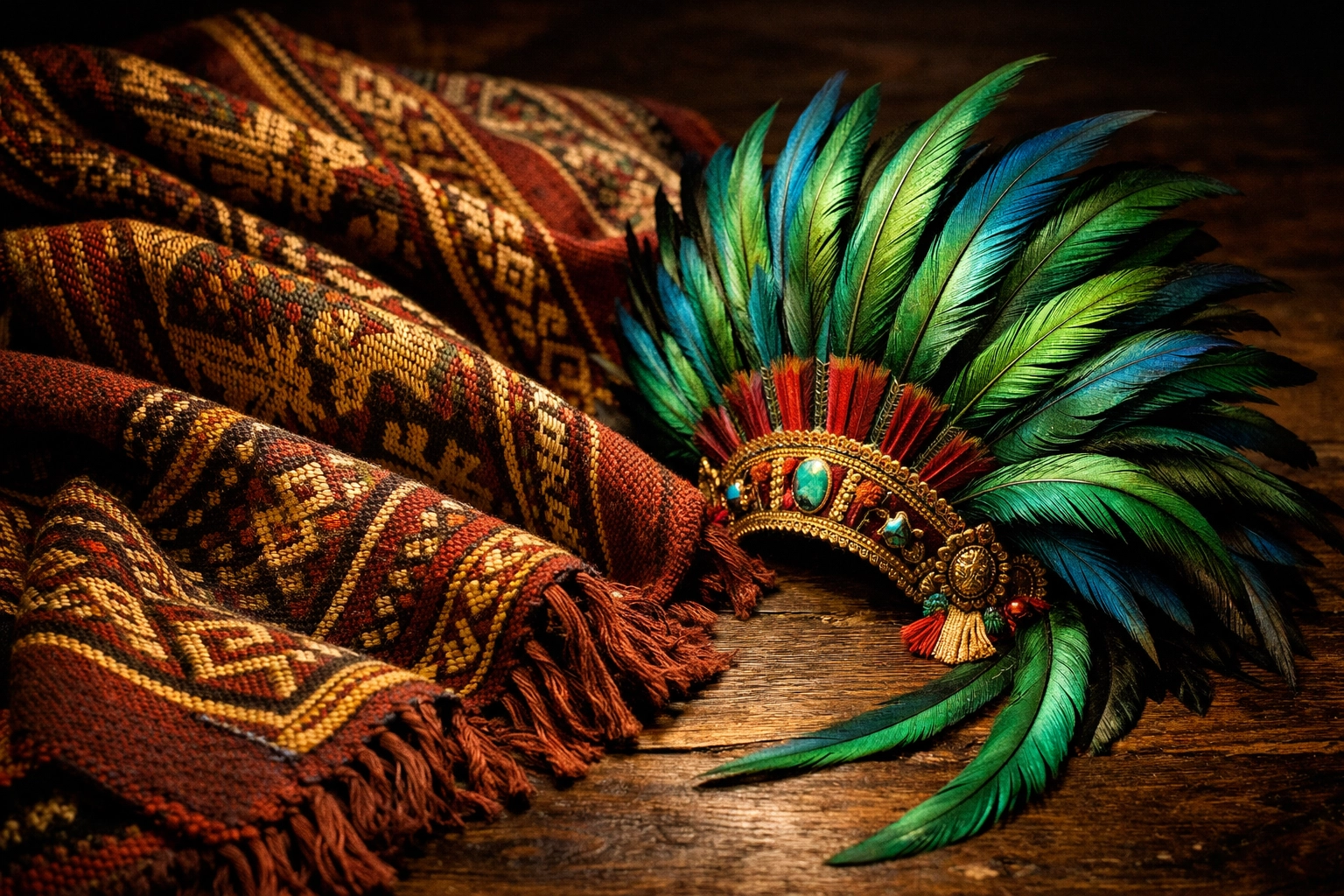
The Aztecs used feathers from quetzal birds to create capes reserved for royalty. Andean weavers produced textiles so complex that some techniques still can't be replicated by machines today. The Maya embedded cosmic symbols into their clothing.
Legacy: Craft • Sustainability • Symbolism
These ancient traditions laid the foundation for everything that came after. And yes: sustainability isn't a new concept. Our ancestors practiced it centuries ago.
👑 Colonial Period: 1492 – 1800
When Spain and Portugal arrived, they brought more than conquest. They brought European dress codes, social hierarchies, and new materials. But here's the thing: Indigenous and African traditions didn't disappear. They adapted.
Local modistas (dressmakers) and master tailors emerged, blending European silhouettes with native techniques. Traditional garments like the rebozo in Mexico, the pollera in Panama and Colombia, and the huipil across Central America evolved into hybrid forms that resisted complete erasure.
Bicultural identity became visible through fashion. Andean women wore silver pins called ttipqui carved with Spanish empire symbols: a way of navigating both worlds. Indigenous nobility adopted European clothing to maintain status within the colonial structure while preserving their heritage in subtle ways.
Legacy: Cultural fusion • Resistance • Hybrid identity
Fashion became a quiet form of rebellion and survival.
🎩 19th Century: 1800 – 1899
As Latin American nations gained independence, Paris became the global fashion capital. And like much of the world, Latin American elites looked to France for style inspiration.
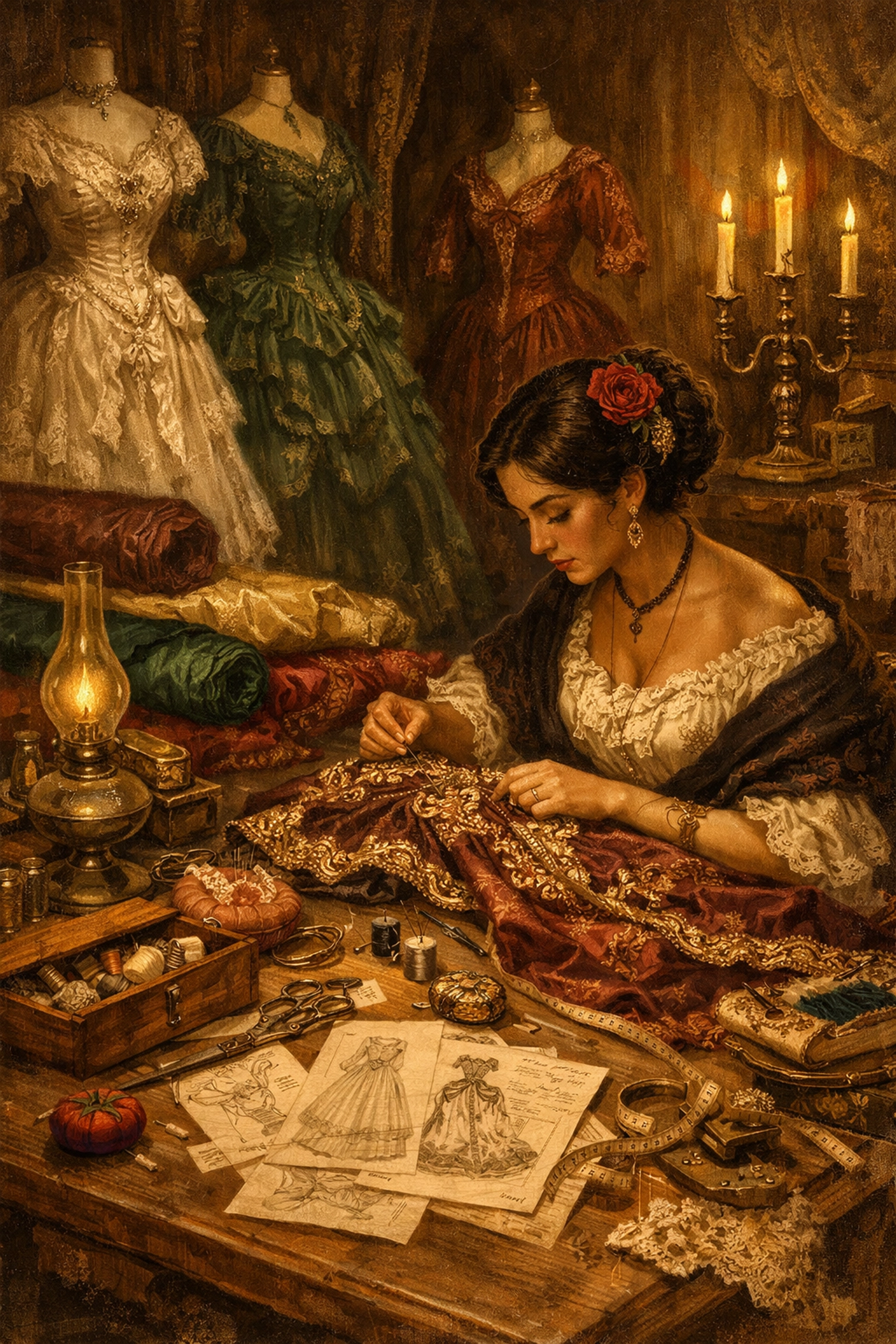
But here's what history often forgets: those European-inspired gowns and suits were made by local artisans. Skilled craftspeople who mastered tailoring, embroidery, and dressmaking: yet remained unnamed and uncelebrated.
The technical mastery was there. The recognition wasn't.
Legacy: Technical mastery • Invisible creators
This era reminds us that Latin American fashion talent has always existed. It just wasn't always credited.
🌸 Early 20th Century: 1900 – 1940
The early 1900s brought a shift. Fashion became a symbol of national identity across Latin America.
Designers started signing their work. Local couture houses emerged in cities like Buenos Aires, Mexico City, and São Paulo. Political and cultural figures used fashion as a form of diplomacy: think Frida Kahlo's iconic Tehuana dresses or Eva Perón's elegant Dior gowns.
In the 1920s, the Pelonas movement emerged: women with short haircuts, masculine clothing, and bold accessories who challenged conventional femininity. Fashion became a tool for empowerment and self-expression.
Legacy: Fashion as diplomacy • National pride
This was when Latin American fashion found its voice.
🌺 Mid-20th Century: 1940 – 1969
This is when Latin American designers stepped onto the global stage: and stayed there.
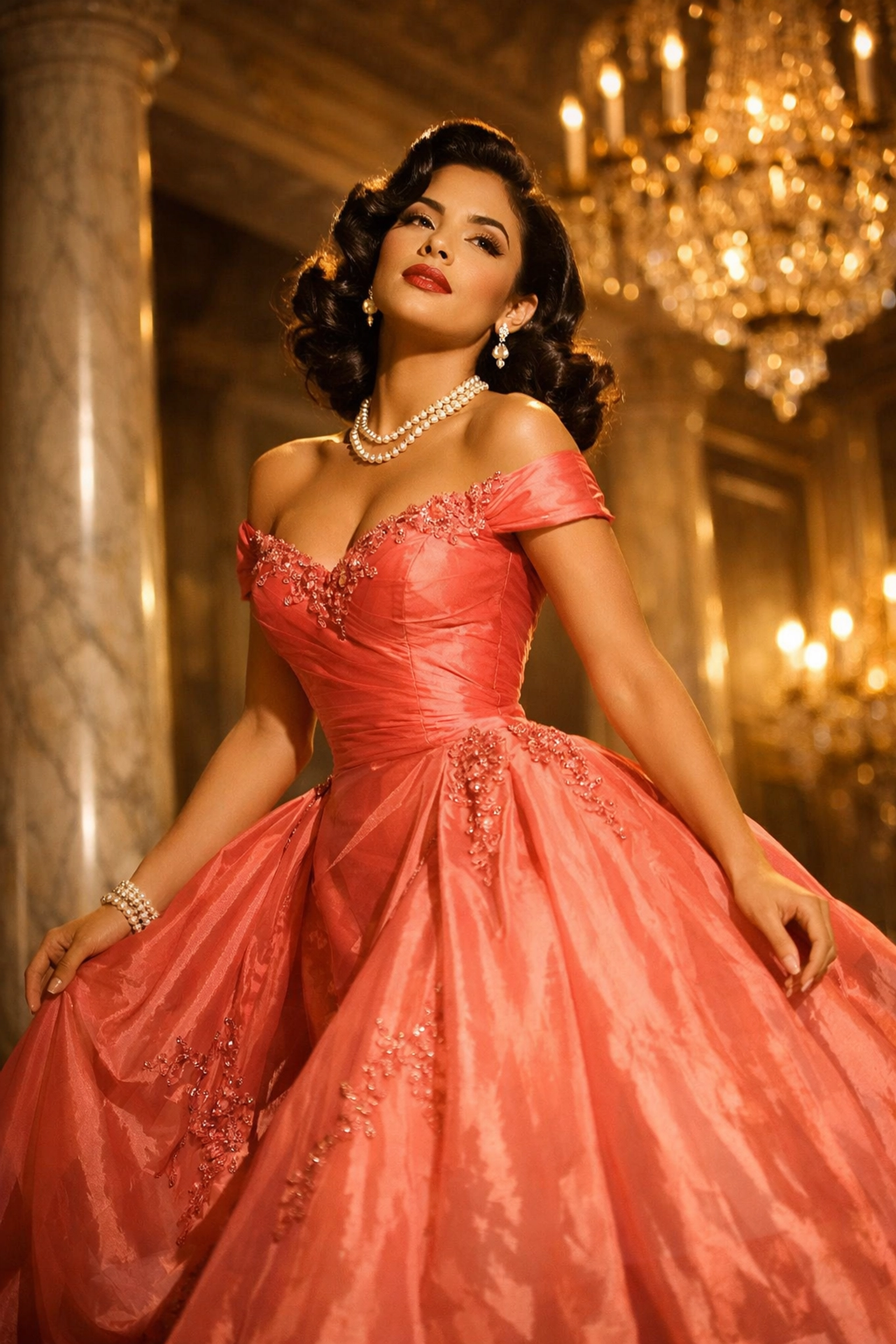
Couture and luxury expanded internationally. Feminine silhouettes, impeccable tailoring, and timeless elegance defined the era. The Pachuca culture of the 1940s continued challenging gender norms through distinctive fashion choices. By the 1960s, long flowy skirts with embroidered, ruffled shirts in vibrant reds, oranges, yellows, and greens became symbols of cultural pride.
Iconic Names:
Oscar de la Renta (Dominican Republic) – The name that needs no introduction
Paco Jamandreu (Argentina) – Eva Perón's personal designer
Ramón Valdiosera (Mexico) – The man who gave us "Mexican Pink"
Legacy: Latin elegance enters global luxury
The world started paying attention.
🔥 Late 20th Century: 1970 – 1999
The late 20th century was about taking over.
Latin designers didn't just participate in global fashion: they led major international houses. Fashion weeks emerged across Latin America. Innovation, modern tailoring, and experimentation became the signature.
The 1970s brought Chicano and disco influences: large belts, guayaberas, high-waisted pants, bell-bottoms, and platform shoes. The 1980s introduced bold colors, animal prints, and shoulder pads. By the 1990s, hip-hop culture influenced baggy silhouettes, gold hoops, chains, and crop tops.
Key Figures:
Carolina Herrera (Venezuela) – Launched her label in 1981 and became a red-carpet legend
Alexandre Herchcovitch (Brazil) – Avant-garde design from São Paulo
Beatriz Canedo Patiño (Bolivia) – Master of vicuña and luxury textiles
Legacy: Global influence • Creative leadership
Latin designers weren't just invited to the table. They built their own.
🌎 Early 21st Century: 2000 – 2010
Globalization and digital exposure changed everything.
Suddenly, a designer in Bogotá could reach buyers in Tokyo. Heritage merged with contemporary luxury. Sustainability started shaping design philosophy: not as a trend, but as a return to ancestral values.
Latin American fashion found its sweet spot: honoring tradition while embracing innovation.
Legacy: Identity + Innovation
🌱 Conscious Fashion Era: 2010 – 2019
This decade put purpose at the center of fashion.
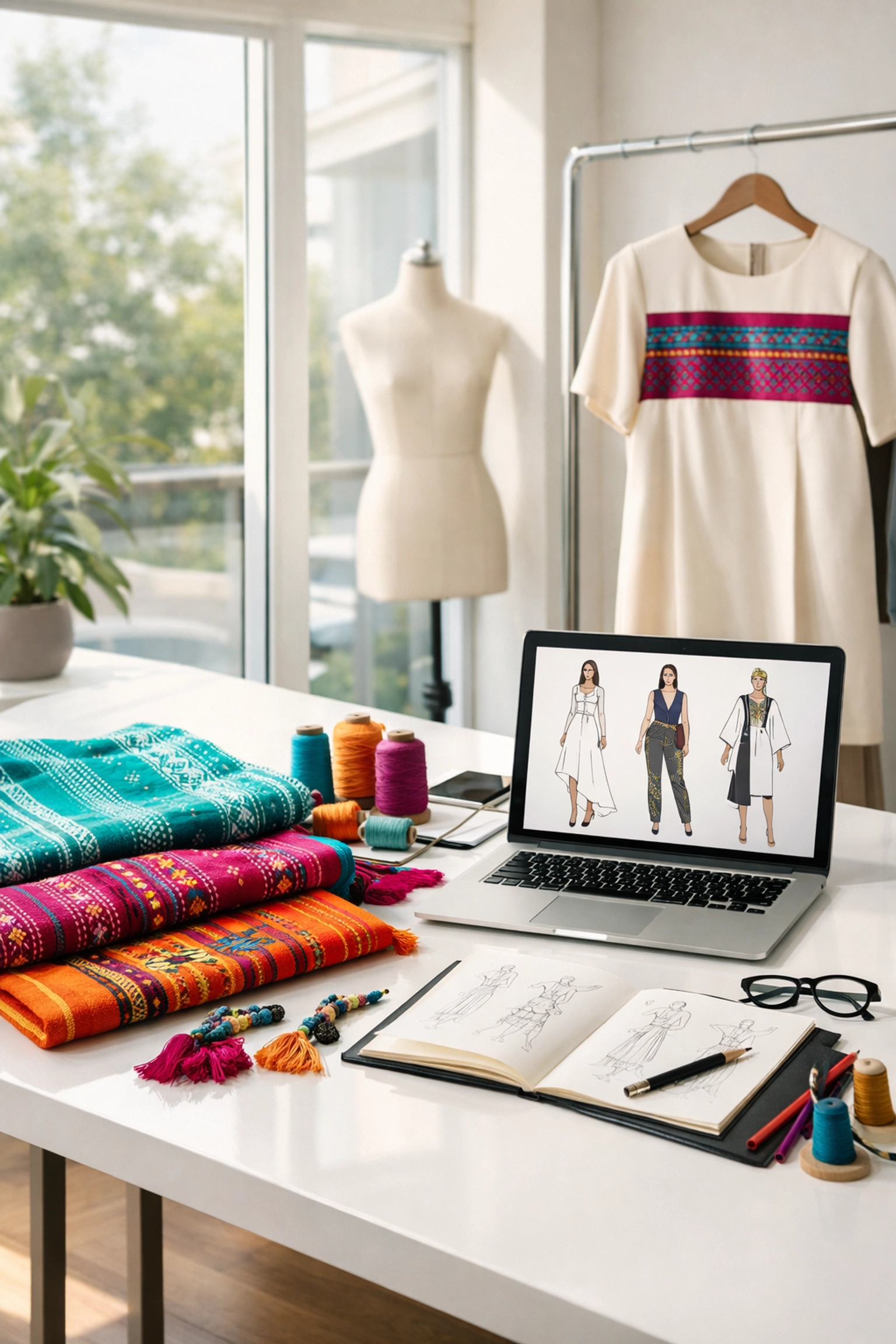
Ethical fashion and artisan collaboration took center stage. Cultural reclamation became intentional: designers worked directly with Indigenous communities, credited their contributions, and shared profits.
Latin designers gained serious red-carpet visibility. When celebrities wore Johanna Ortiz or Silvia Tcherassi, the world noticed.
Notable Names:
Silvia Tcherassi (Colombia) – Feminine, romantic, globally recognized
Johanna Ortiz (Colombia) – The queen of resort wear
Osklen (Brazil) – Sustainable luxury pioneer
Carla Fernández (Mexico) – Champion of Indigenous craft
Legacy: Fashion with purpose
This wasn't just about looking good. It was about doing good.
🚀 Global Movement: 2020 – Present
We're living in it right now.
Latin fashion leads the conversation on sustainability, inclusivity, and storytelling. Digital runways, e-commerce, and AI are reshaping how designers create and connect. Latin Fashion Weeks, international awards, and regional federations have emerged to support and celebrate this growth.
The pandemic accelerated digital transformation. Designers who once relied on physical showrooms now reach global audiences through screens. And the stories being told? They're more authentic and powerful than ever.
Legacy: Latin fashion as global industry power
This is our moment.
✨ Where We Stand Today
Latin Fashion = Culture • Business • Impact
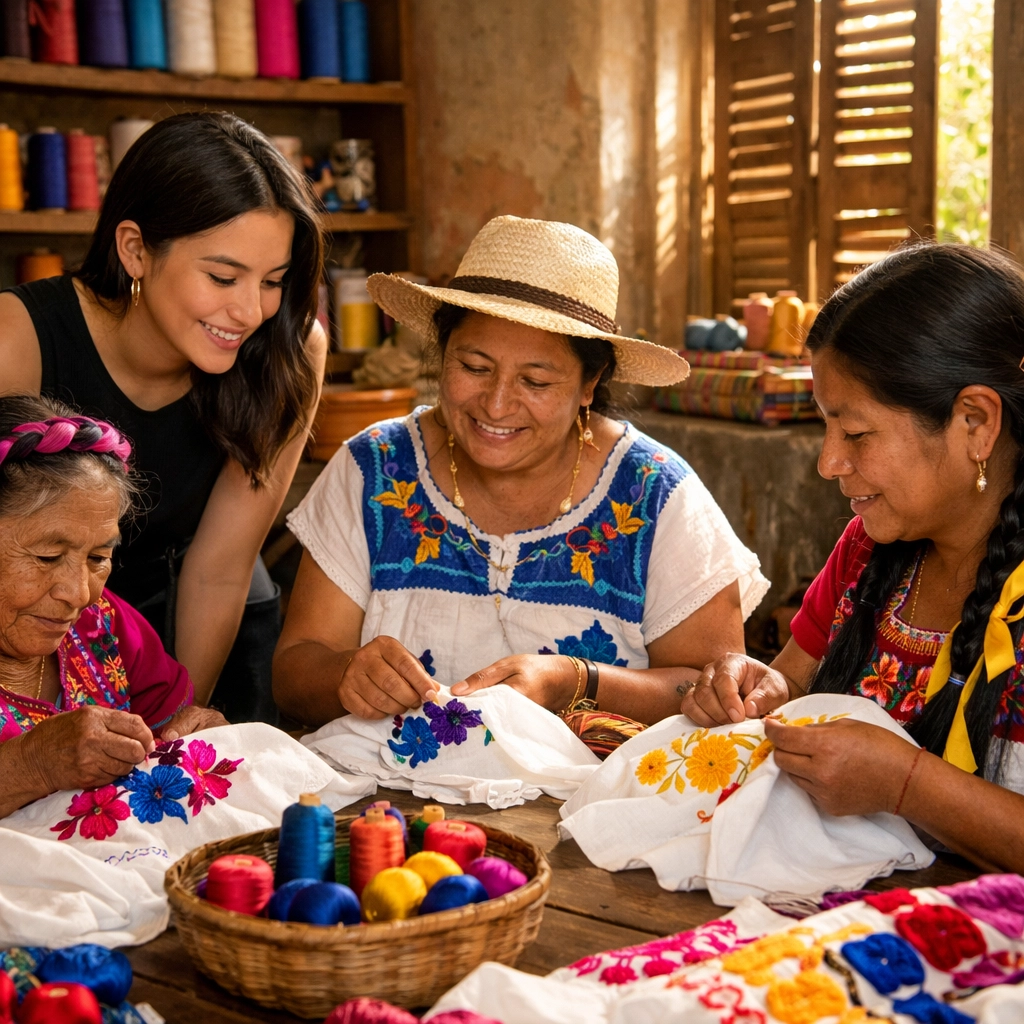
From pre-colonial weavers to today's digital-first designers, Latin American fashion has always been about more than aesthetics. It's about identity. It's about resilience. It's about showing the world who we are.
At New York Latin Fashion Week, we're proud to be part of this legacy: and even prouder to help write its next chapter.
The timeline continues. And you might just be part of it.
Want to be part of the future of Latin fashion? New York Latin Fashion Week is sponsoring 20 emerging designers this year. Learn more about our opportunities and take your place in history.